
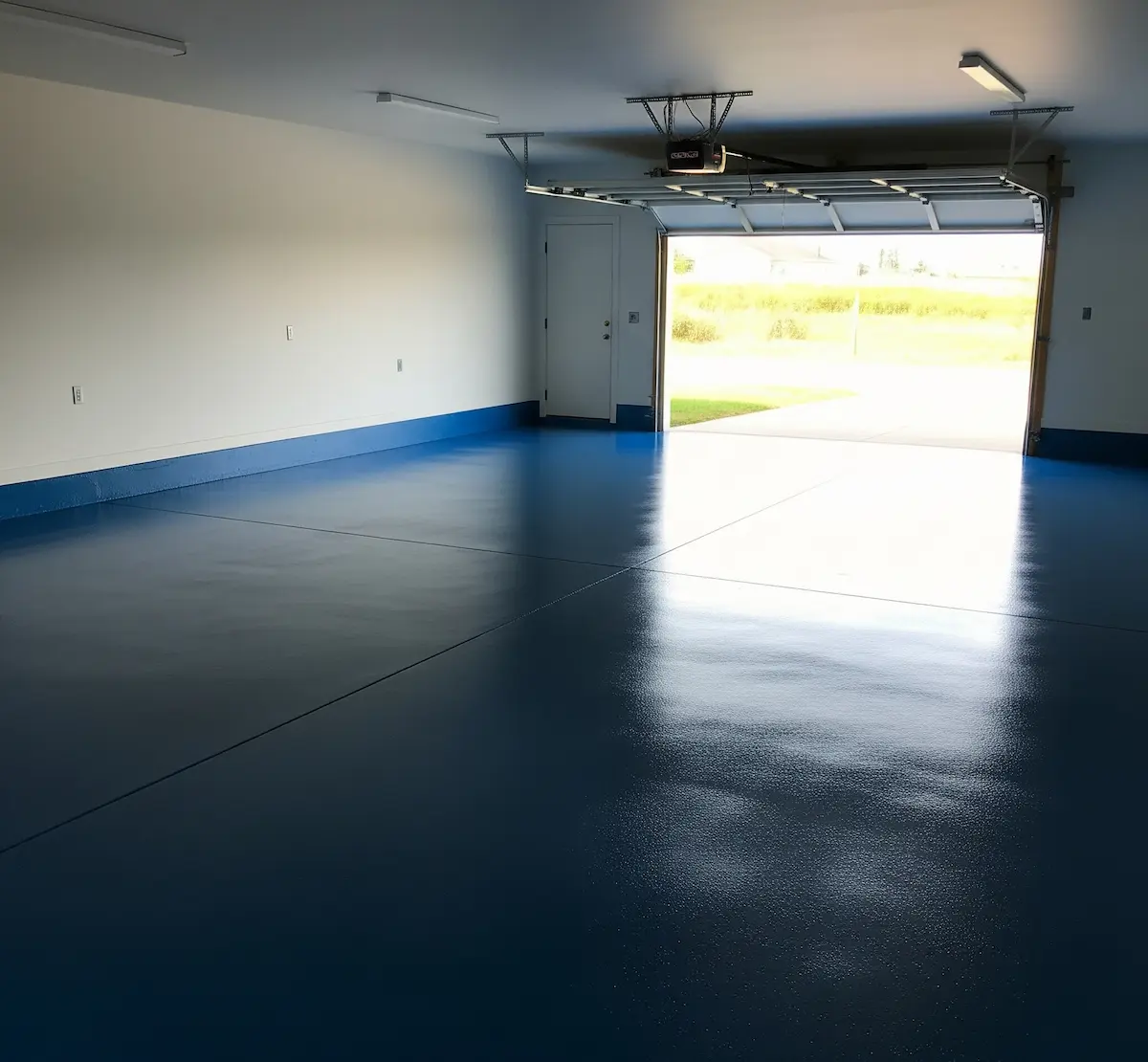
If you’re looking to transform your concrete garage into a durable, attractive, and easy-to-clean space, epoxy garage floor paint may be your best solution. With its seamless finish, high resistance to wear and tear, and impressive longevity, epoxy offers both functional and aesthetic advantages over traditional concrete paint.
In this guide, we’ll walk you through the benefits, the best epoxy paint for garage floor use, and even show you how to paint garage floor with epoxy like a pro—whether you’re tackling a DIY project or hiring professionals.
What Is Epoxy Garage Floor Paint?
Epoxy garage floor paint is a coating system made from resin and hardener that chemically bonds with your concrete slab to create a tough, attractive surface. Unlike regular paint, epoxy cures into a hardened plastic-like finish that’s ideal for areas with frequent vehicle and foot traffic.
It’s often confused with standard paint systems, but make no mistake—epoxy paint garage floor solutions provide far greater durability, chemical resistance, and longevity.
Key Benefits of Epoxy Floor Coatings
-
Long-Lasting Protection: Withstands oil spills, tire marks, chemicals, and impact
-
Sleek Appearance: Available in a range of colors and finishes from matte to high gloss
-
Easy Maintenance: Seamless surface repels dust and debris
-
Slip Resistance: Optional additives improve safety
-
UV and Moisture Resistant: Especially beneficial in humid environments like Tallahassee or Valdosta
Comparing Epoxy Garage Floor Paint vs. Other Coating Options
Not all garage floor coatings are created equal. While traditional concrete paint may seem cost-effective, it often sacrifices longevity and protection. The table below provides a side-by-side comparison of epoxy garage floor paint with other common solutions, helping you choose the best fit based on durability, maintenance, and application difficulty.
| Type | Durability | Cost/Sq. Ft. | Application | Maintenance |
| Epoxy Garage Floor Paint | Very High | $3–$7 | Medium | Low |
| Acrylic Concrete Paint | Low | $1–$2 | Easy | High |
| Polyurethane Coating | High | $5–$10 | Complex | Low |
| Concrete Stain | Moderate | $2–$5 | Easy | Moderate |
Pro Tip: While acrylic or latex-based coatings are cheaper upfront, they often require recoating every 1–2 years. Epoxy, on the other hand, lasts up to 20 years with proper care.
How to Paint Garage Floor with Epoxy: Step-by-Step
Applying epoxy paint to your garage floor may seem daunting, but it’s more manageable than you think—especially with the right preparation. This process not only ensures maximum adhesion but also extends the longevity and visual appeal of your flooring system. Here’s how to do it right, step-by-step:
-
Clean and Prep the Surface: Remove grease, dust, and oil. Use a degreaser and a stiff broom.
-
Etch or Grind the Concrete: This opens the pores and allows the epoxy to adhere properly.
-
Repair Cracks or Damage: Fill in with epoxy patch compound for a smooth base.
-
Mix the Epoxy: Follow your manufacturer’s directions closely.
-
Apply the Base Coat: Roll out evenly, working in small sections.
-
Add Flakes (Optional): Broadcast them onto the wet surface for texture and aesthetics.
-
Apply the Topcoat: Seals everything in and protects the color.
Drying times vary by brand, but floors are usually ready for light foot traffic in 24 hours and vehicle traffic in 72 hours.
Popular Epoxy Paint Color Choices for Garage Floors
Color isn’t just about appearance—it plays a practical role in your garage too. The right shade can affect visibility, ease of cleaning, and even the overall mood of the space. Below is a table of popular epoxy floor paint colors to help you choose one that matches your needs and personal style.
| Color | Look & Feel | Practicality |
| Gray | Industrial, modern | Hides dirt, dust well |
| Beige | Warm, neutral | Great for home garages |
| Slate Blue | Cool and calming | Stylish, reflective |
| White | Sleek, bright | Shows dirt easily |
| Speckled Flake | Textured, safe | Anti-slip and hides wear |
For custom aesthetics, brands like Sherwin-Williams and Rust-Oleum offer tintable epoxy base coats and flake systems that work well with almost any color scheme.
Local Insight: Best Epoxy Practices for North Florida and South Georgia
Living in a humid climate? Then you’ll appreciate that epoxy coatings seal your floor from moisture penetration—a must-have in areas like Bainbridge, Thomasville, or Cairo.
Epoxy is also ideal for garages that double as workshops or home gyms, providing a durable base that won’t crack or peel under pressure. Whether you’re considering a complete transformation or a basic upgrade, using garage epoxy floor paint ensures long-term resilience. For homeowners wondering if they can paint garage floor epoxy systems themselves, the answer is yes—with proper prep and quality products, results can rival professional finishes. At Epoxy Tallahassee, we tailor each project to our region’s unique climate and client needs.
Frequently Asked Questions
Q: What’s the difference between regular paint and epoxy garage floor paint?
A: Epoxy chemically bonds with concrete, forming a much stronger, longer-lasting surface. Regular paint sits on top and can peel or fade quickly. Epoxy also resists hot tire pickup and harsh chemicals. It’s ideal for areas exposed to frequent wear.
Q: Can I DIY epoxy my garage floor?
A: Yes—many kits make it simple. However, prepping the surface correctly is key. If in doubt, consult local pros like Epoxy Tallahassee. DIYers should carefully follow instructions on etching, mixing, and curing. A well-prepped floor is essential for adhesion.
Q: How long does epoxy floor paint last?
A: With proper prep and application, epoxy floors last 10–20 years, even with heavy vehicle use. Applying a topcoat and avoiding harsh cleaners extends their lifespan. Regular sweeping and light mopping also help maintain shine.
Q: Is epoxy safe for indoor air quality?
A: Most modern epoxies are low-VOC and safe once cured. Make sure your space is well ventilated during application. After curing, the surface is non-toxic and odorless. Some systems even qualify for LEED credits.
Q: Can I repaint over old epoxy?
A: Yes, but the surface must be cleaned, lightly sanded, and etched for proper adhesion. A bonding primer may also help with tougher reapplications. Always test a small area before proceeding with a full coat.
Final Thoughts: Is Epoxy Garage Floor Paint Worth It?
Absolutely. Whether you’re looking to protect your slab, upgrade your garage’s appearance, or improve resale value, epoxy garage floor paint checks all the boxes. Compared to other coatings, epoxy delivers superior longevity, performance, and customization—making it a smart investment for both homeowners and commercial spaces.
It resists everything from oil stains to abrasions and temperature fluctuations. The variety of colors, finishes, and flake options allows you to personalize your space, whether you’re going for a showroom look or a clean, functional workshop. Plus, it cuts down on maintenance time and costs over the years.
If you’re searching for garage floor paint epoxy options that last, or wondering what epoxy paint for garage floor is right for your space, our team at Epoxy Tallahassee is here to help. We offer premium-grade materials, expert installation, and service across North Florida and South Georgia.
Durability Meets Style – Get Your Epoxy Floor Installed Now!