
Why Choose Epoxy for Your Garage?
Epoxy garage flooring transforms dull, cracked concrete into a clean, durable surface that can withstand daily use. It resists oil spills, tire marks, and surface abrasions, making it a top choice for garages that function as workspaces, storage areas, or even home gyms.
Many homeowners in Florida are turning to epoxy systems for their superior moisture resistance, heat tolerance, and low maintenance. Flake and gloss finishes also enhance the overall look, boosting curb appeal and functionality.
Factors That Influence Garage Epoxy Floor Cost
Several key factors affect the cost of your garage epoxy flooring:
- Garage Size: Larger garages (2-car, 3-car) require more materials and labor, increasing the total price. They may also require more complex logistics, especially for seamless coating and drying time coordination.
- Existing Floor Condition: Cracks, stains, and moisture issues require repairs and surface preparation, which add to labor and equipment costs.
- Type of Epoxy System: Options like solid color, flake systems, or metallic finishes vary in material and complexity, affecting price.
- Labor and Materials: High-quality epoxies and professional labor command higher rates. Add-ons like anti-slip grit or UV protection also raise costs.
How Much Does Epoxy Flooring Cost
Understanding the cost of epoxy garage floor installation begins with knowing the size of your space. From compact one-car garages to expansive three-car layouts, the overall price can vary widely depending on square footage, prep needs, and finish options. Below is a breakdown of what you can expect to pay based on your garage size.
1-Car Garage (Approx. 250 sq. ft)
Expect to pay between $1,000 and $1,800. This range covers basic solid color epoxy systems or light flake finishes. Surface prep may involve simple cleaning and minor patching.
2-Car Garage (Approx. 400–500 sq. ft)
A 2-car garage epoxy installation typically costs $1,800 to $3,500. This size allows for upgraded flake systems, topcoats with UV protection, and better customization.
3-Car Garage (Approx. 700+ sq. ft)
Larger spaces can cost $3,500 to $6,000 or more, especially when opting for high-end metallic or white epoxy finishes. These projects often involve detailed prep work and multi-layer coatings.
Popular Epoxy Garage Floor Finishes & Their Costs
Solid Color Epoxy
This is the most budget-friendly epoxy option. It offers a sleek, professional look and is easy to clean. It’s a great choice for homeowners seeking simplicity without sacrificing performance.
- Cost: $3–$5 per square foot installed.
Epoxy Flake Floor
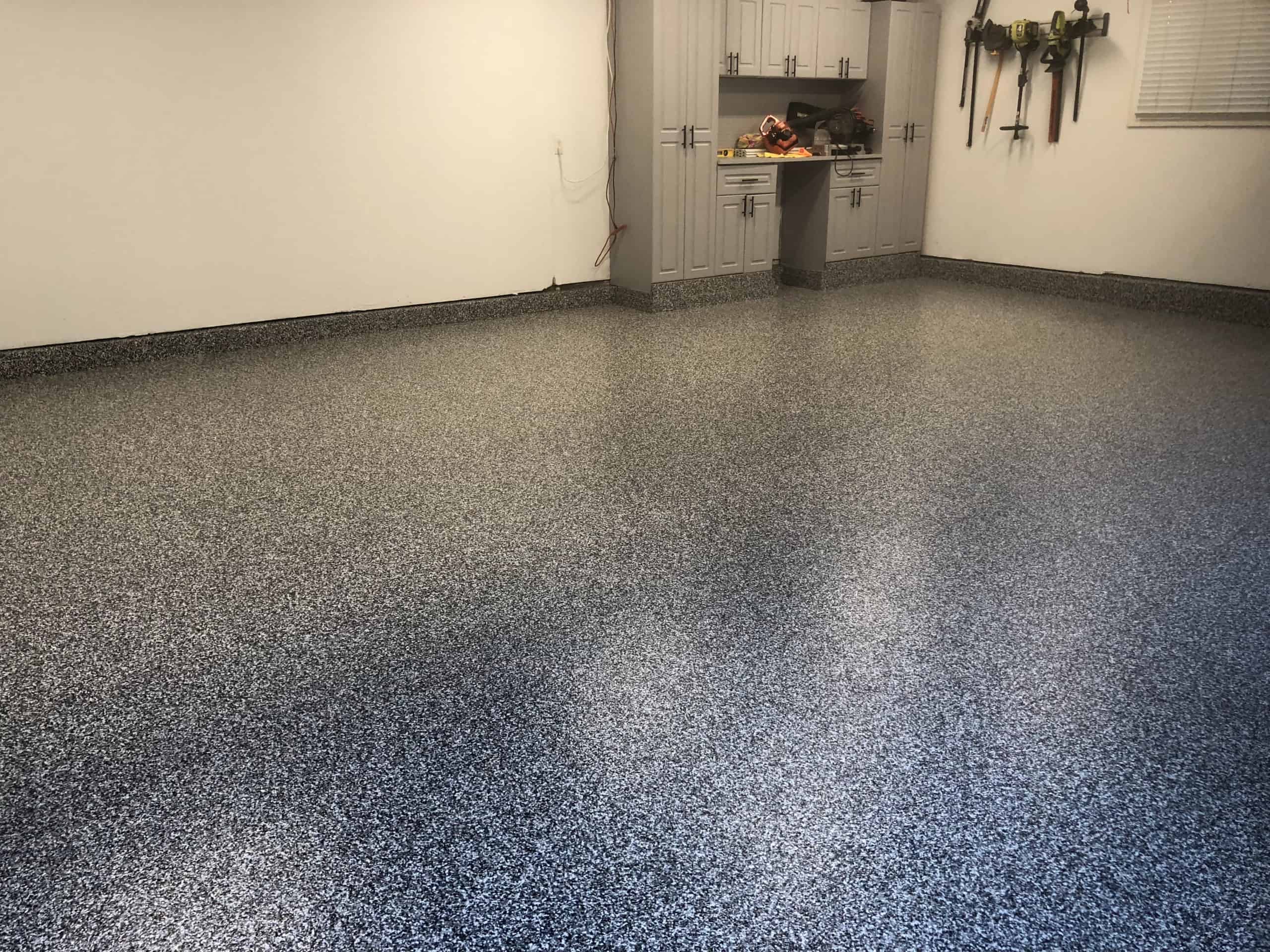
A decorative option with color chips that provide texture and slip resistance. Flake floors are also great at hiding surface imperfections.
- Cost: $5–$7 per square foot, depending on flake density and number of coats.
White Epoxy Floor
A premium, high-gloss finish, often chosen for its clean, modern appearance. White epoxy floors require more upkeep to maintain their look.
- Cost: $6–$9 per square foot installed.
DIY vs. Professional Epoxy Installation
DIY epoxy kits are widely available and cost between $2 and $4 per sq. ft. While they may seem cost-effective, many DIY applications fail due to inadequate prep—especially on garage floors where moisture and oil are common.
Professional installers use grinding equipment, commercial-grade epoxy, and bring years of experience. Their systems last longer, perform better, and include advanced features like slip resistance and UV-stable topcoats.
DIY vs. Professional Epoxy Garage Floors
| Feature | DIY Epoxy Floor | Professional Epoxy Floor |
| Avg. Cost/Sq. Ft | $2–$4 | $4–$9 |
| Durability | Moderate (3–5 years) | High (10–20 years) |
| Aesthetic Options | Limited | Custom flake, color, gloss |
| Surface Prep | Basic (etching) | Pro grinding and crack repair |
| Install Time | 2–3 days | 2–5 days |
| Long-Term Value | Lower | High ROI and longevity |
Long-Term Value and Return on Investment
A professionally installed epoxy garage floor adds both functional and financial value to your home. Unlike concrete paint or basic sealers, epoxy stands up to heat, oil, chemicals, and daily use without flaking or peeling. Its low maintenance, long lifespan, and visual appeal make it a worthwhile investment—especially for homeowners who frequently use their garages for more than parking.
When to Invest and How to Save
- Best Season: Spring and summer are ideal in Florida, when warm temperatures speed up curing. These seasons also offer lower humidity levels, which help ensure better adhesion and finish quality.
- Bundle Services: Consider combining your garage floor project with other areas like driveways or patios to reduce labor costs.
- Smart Finish Choices: Flake systems strike a good balance between aesthetics, durability, and affordability.
How to Maintain Your Epoxy Garage Floor
Epoxy floors are low maintenance, but regular care helps preserve their look and durability over the years. Simple habits and occasional upkeep will keep your garage flooring in excellent condition. Maintaining your epoxy surface not only protects your investment but also keeps your garage looking pristine and professional. Even a few minutes of monthly attention can prevent long-term wear and staining.
Sweep Regularly
Use a soft-bristle broom or dust mop to remove grit and debris that can scratch the surface. Weekly sweeping is recommended, especially in high-traffic areas.
Clean Spills Promptly
Epoxy is resistant to oil and chemicals, but it’s best to wipe up automotive fluids and grease quickly. Use a damp mop with mild detergent—avoid harsh chemicals that could dull the finish.
Avoid Abrasive Tools
Never use steel wool, wire brushes, or strong solvents to clean epoxy. Stick to microfiber pads and soft cloths to protect the glossy topcoat.
Use Protective Mats or Pads
Place mats under vehicles or heavy tools to reduce wear and prevent tire staining. Consider using rubber pads under jacks, stands, or rolling toolboxes.
Reapply Topcoat When Needed
After several years, consider reapplying the topcoat to restore shine and slip resistance. Professional resealing adds years of protection and refreshes the appearance.
Transform Your Garage with Epoxy That Lasts
Want a sleek, durable garage floor that lasts for decades? Contact Epoxy Tallahassee for a free quote and expert help selecting the best epoxy system for your garage. Our team is ready to help you transform your space with a professional finish built to last.
Frequently Asked Questions
How long does an epoxy garage floor last?
With professional installation and care, an epoxy garage floor can last 10 to 20 years with minimal maintenance.
Is a white epoxy floor hard to maintain in a garage?
Yes. White epoxy shows dirt and tire marks more easily than darker colors, so regular cleaning is recommended.
Can I install epoxy over old concrete?
Yes, but the concrete must be clean, dry, and structurally sound. Prep work may include grinding, patching, or applying a moisture barrier.
Is epoxy safe for hot tire pickup?
Yes. Professional-grade epoxy systems are formulated to resist hot tire pickup, a common issue with lesser coatings.
What’s the best epoxy system for garages?
Flake epoxy systems with a polyaspartic topcoat offer excellent durability, slip resistance, and visual appeal, making them ideal for garages.