
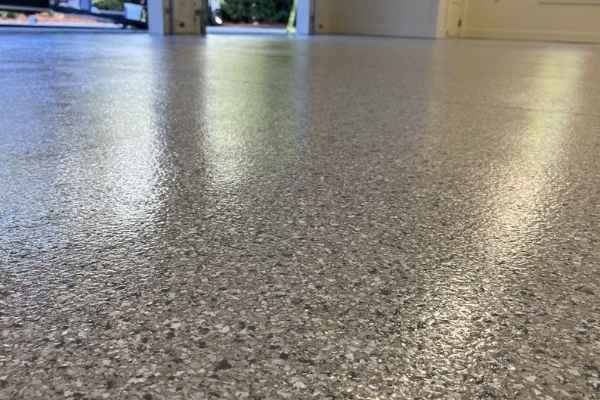
Garage floors endure constant stress from vehicles, heavy equipment, chemicals, and daily use. Choosing the right flooring system can make a dramatic difference in longevity and appearance. Among the top options, the debate of polyurea vs epoxy garage floor has become central for homeowners looking to balance cost, style, and durability. This guide compares both solutions in terms of performance, price, and alternatives so you can make an informed choice.
What Are Epoxy and Polyurea Garage Floors?
Epoxy is a resin-based coating that bonds tightly to concrete, creating a hard and durable surface. It has been a trusted choice for decades, especially for residential garages, thanks to its versatility and ability to incorporate colors, flakes, and metallic finishes.
Polyurea, on the other hand, is a flexible, fast-curing material that offers exceptional resistance to chemicals and abrasion. It is more advanced in terms of elasticity, allowing it to handle expansion and contraction of concrete without cracking. Within the polyurea family, polyaspartic coatings are a subtype known for even faster curing and improved UV resistance.
Garage Floor Epoxy vs Polyurea: Key Differences
This section explores epoxy vs polyurea garage floor options in detail, highlighting what sets them apart for homeowners considering a durable upgrade. It also touches on epoxy vs polyaspartic garage floor comparisons, since polyaspartic is a subtype of polyurea with its own advantages.
Understanding the differences between epoxy and polyurea is essential for making the right choice. Each system brings unique strengths in durability, appearance, cure time, and cost, and knowing these distinctions helps homeowners match their flooring to their lifestyle and budget.
- Durability: Epoxy provides a strong, long-lasting finish, but polyurea is more flexible and can absorb impacts without cracking.
- Cure Time: Epoxy can take 2–3 days to fully cure, while polyurea cures in less than 24 hours, minimizing downtime.
- Appearance: Both offer customization, though polyurea’s UV stability means it resists yellowing better when exposed to sunlight.
- Cost: Epoxy is generally more affordable, while polyurea represents a higher-end investment due to its advanced properties.
Benefits of Epoxy Garage Floors
Epoxy flooring remains a popular choice for homeowners because it delivers a balance of affordability, performance, and design flexibility. Its long-standing reputation makes it a trusted option when upgrading garage spaces to be more functional and visually appealing.
- Affordable: Epoxy is one of the most cost-effective garage flooring systems, balancing performance with price.
- Customizable: A wide range of colors, decorative flakes, and finishes are available.
- Proven Track Record: Epoxy has decades of successful use in residential garages, workshops, and commercial spaces.
- Chemical and Traffic Resistance: It withstands exposure to oil, gasoline, and heavy vehicle use.
Benefits of Polyurea Garage Floors
Polyurea flooring is increasingly chosen for its advanced performance and modern capabilities. Known for rapid curing, high flexibility, and outstanding resistance to sunlight and chemicals, it has become a premium option for garages that demand durability with minimal maintenance.
- Extreme Durability: Polyurea floors are resistant to impacts, chemicals, and abrasions, often outlasting epoxy.
- Fast Installation: With rapid curing, installation can be completed in a single day, reducing downtime. This makes it especially convenient for busy households and commercial settings.
- UV Stability: Unlike standard epoxy, polyurea won’t yellow or fade in direct sunlight. This feature is ideal for garages with natural light exposure or outdoor areas.
- Flexibility: Its elasticity allows it to expand and contract with concrete, preventing cracks over time. This adaptability helps maintain a smooth, flawless finish even in changing climates.
Comparing Epoxy With Other Alternatives
While epoxy and polyurea dominate discussions about garage flooring, homeowners often consider other solutions as well. Looking at how epoxy compares to tiles, polished concrete, and simple paint helps highlight its unique strengths and where compromises may occur.
- Garage Floor Tiles vs Epoxy: Tiles are easy to install and replace but lack the seamless strength of epoxy. They can also trap dirt and moisture in the seams, leading to extra cleaning needs.
- Polished Concrete Garage Floor vs Epoxy: Polished concrete offers a sleek, low-maintenance look but lacks the customization of epoxy.
- Painting Garage Floor vs Epoxy: Paint is the cheapest upfront option but wears quickly and requires frequent reapplication.
Cost Comparison
Understanding the costs associated with different garage flooring systems is key to making a smart investment. Both epoxy and polyurea come with distinct price points that reflect their performance and longevity, while alternatives like paint, tiles, and polished concrete offer varying trade-offs in cost and durability.
- Epoxy: Typically costs $4–$8 per square foot depending on finish and customization.
- Polyurea: Ranges from $6–$12 per square foot, reflecting its premium durability and performance.
- Alternatives: Paint ($1–$2), tiles ($3–$6), polished concrete ($5–$10).
Epoxy vs Polyurea vs Alternatives
| Flooring Type | Cost per Sq. Ft. | Durability | Appearance Options | Cure Time | Lifespan |
| Epoxy | $4–$8 | High | Wide variety | 2–3 days | 10–15 yrs |
| Polyurea | $6–$12 | Very High | Moderate variety | < 24 hours | 15–20 yrs |
| Garage Tiles | $3–$6 | Medium | Limited patterns | Same day | 5–7 yrs |
| Polished Concrete | $5–$10 | High | Sleek, modern | 2–3 days | 10–15 yrs |
| Paint | $1–$2 | Low | Basic, limited | 1 day | 1–3 yrs |
Which Option Is Best for You?
Choosing between epoxy and polyurea often comes down to lifestyle, budget, and performance expectations. By weighing the strengths and limitations of each system, homeowners can select the solution that best aligns with their garage needs.
- Choose Epoxy: If affordability, customization, and proven reliability are top priorities.
- Choose Polyurea: If fast installation, extreme durability, and UV stability matter most.
- Consider Alternatives: If budget or design preferences lead you toward tiles, polished concrete, or paint, weigh the trade-offs in lifespan and maintenance.
Take the Next Step with Epoxy Tallahassee
Selecting the right garage flooring depends on your needs, budget, and long-term goals. Epoxy Tallahassee specializes in professional epoxy installations while also guiding homeowners on polyurea and other alternatives. With local expertise and a commitment to quality, we help you achieve a floor that looks impressive and lasts for years. Contact us today for a consultation.
Frequently Asked Questions
What lasts longer: epoxy or polyurea garage floors?
Polyurea typically lasts longer, with a lifespan of 15–20 years compared to epoxy’s 10–15 years. Its superior flexibility and resistance to UV damage give it an edge in long-term performance.
Is polyurea worth the higher cost compared to epoxy?
Yes, for homeowners seeking premium durability, faster curing, and UV stability, polyurea is worth the added investment.
How does epoxy compare to garage floor tiles?
Epoxy is seamless, more durable, and resistant to chemicals, while tiles are easier to replace but less long-lasting.
What’s better: polished concrete garage floor vs epoxy?
Polished concrete provides a modern, low-maintenance look, while epoxy offers greater customization and chemical resistance.
Is painting a garage floor a good alternative to epoxy?
Painting is inexpensive but offers the shortest lifespan, requiring frequent reapplication compared to epoxy or polyurea.